
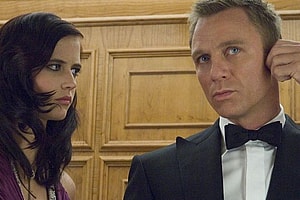
From the glint of roulette wheels to the tension of high-stakes poker, casino scenes have long captivated filmmakers and audiences alike. These cinematic moments are more than just flashy set pieces they’re storytelling tools that evoke risk, power, and transformation. Whether used to heighten drama, showcase character psychology, or deliver unforgettable visuals, casinos have become a recurring motif in some of the most celebrated films in history. Their appeal mirrors the real-world fascination with gaming, including the rise of free daily spins in online platforms that offer players a taste of the action without the risk.
Glamour and Style as a Narrative Device
Casinos often symbolize luxury and exclusivity. Directors use them to immerse viewers in worlds of wealth, elegance, and temptation.
- James Bond films like Casino Royale and Skyfall feature opulent casino settings where style and strategy collide. Bond’s poker face and tailored tuxedo are as iconic as the games he plays.
- Ocean’s Eleven showcases the glitz of Las Vegas, using casino interiors to stage elaborate heists and highlight the contrast between surface glamour and underlying tension.
These scenes create visual spectacle while reinforcing themes of control, deception, and risk.
Tension and Psychological Drama
Casinos are natural arenas for suspense. The unpredictability of gambling mirrors the emotional stakes of the characters involved.
- In Rounders, poker becomes a metaphor for personal redemption and strategic thinking. The casino table is where characters reveal their true selves.
- Casino by Martin Scorsese uses the gambling floor as a battleground for power and corruption, with every bet reflecting deeper conflicts.
These films use casino scenes to explore character psychology, often placing protagonists in moments of intense decision-making.
Comedy and Chaos
Not all casino scenes are serious. Some use the setting for comedic effect, highlighting the absurdity and unpredictability of gambling culture.
- The Hangover features a chaotic blackjack sequence that blends humor with unexpected success, turning the casino into a playground for misadventure.
- Rain Man uses the casino as a turning point, where Dustin Hoffman’s character showcases his mathematical brilliance in a memorable card-counting scene.
These moments balance tension with levity, making casinos a versatile backdrop for storytelling.
Symbolism and Transformation
Casinos often represent turning points in a character’s journey—places where fortunes change and identities shift.
- In The Sting, the gambling hall becomes a stage for deception and revenge, with every move choreographed for dramatic payoff.
- Molly’s Game uses underground poker scenes to explore ambition, legality, and personal resilience.
These scenes are rich in symbolism, portraying casinos as crucibles of fate and transformation.
Influence on Real-World Gaming Culture
The cinematic portrayal of casinos has influenced how people perceive gambling. The glamour and drama of movie scenes have inspired interest in online gaming, where features like free daily spins offer players a taste of the excitement without the high stakes.
- Online platforms often mimic movie-style aesthetics, using sleek visuals and dramatic soundtracks.
- Promotions like free daily spins echo the idea of risk-free engagement, allowing users to experience the thrill without financial commitment.
This crossover between film and gaming culture continues to shape how audiences engage with both mediums.
Final Thoughts
Casino scenes in top movies are more than visual indulgences—they’re narrative engines that drive plot, reveal character, and evoke emotion. Whether through suspense, comedy, or transformation, these scenes capture the essence of gambling and its cultural significance. As online gaming grows, features like free daily spins offer a modern echo of the cinematic casino experience, bringing the drama of the big screen to everyday play.